First-of-a-Kind, Twice-Over
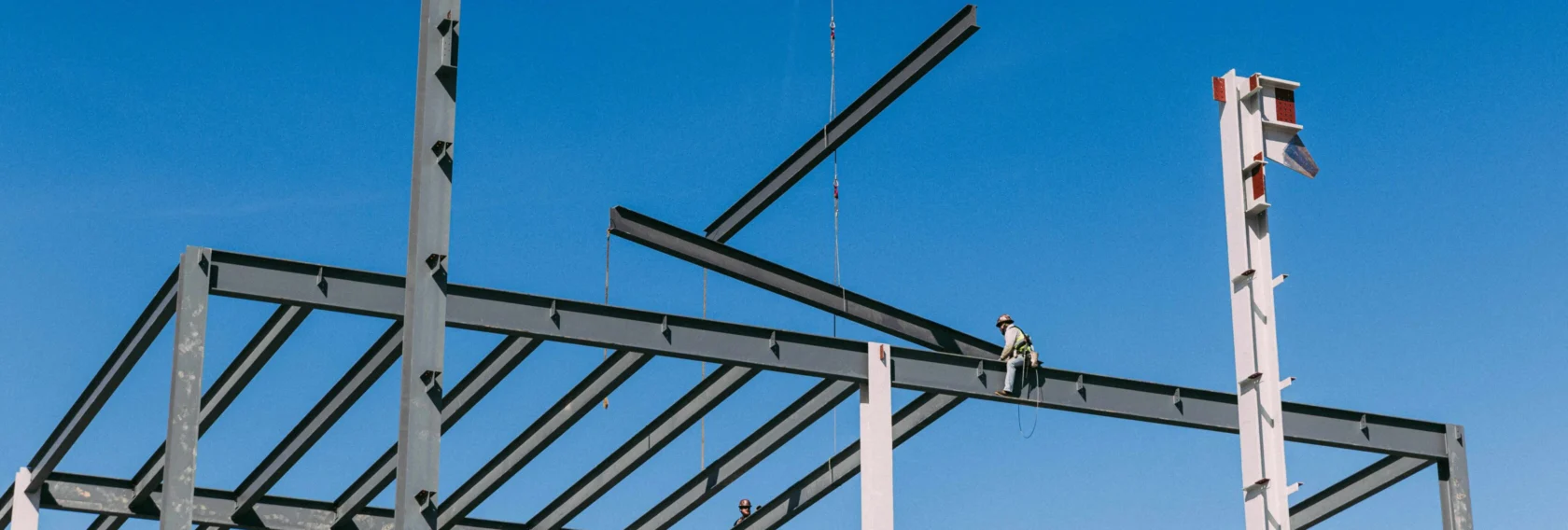
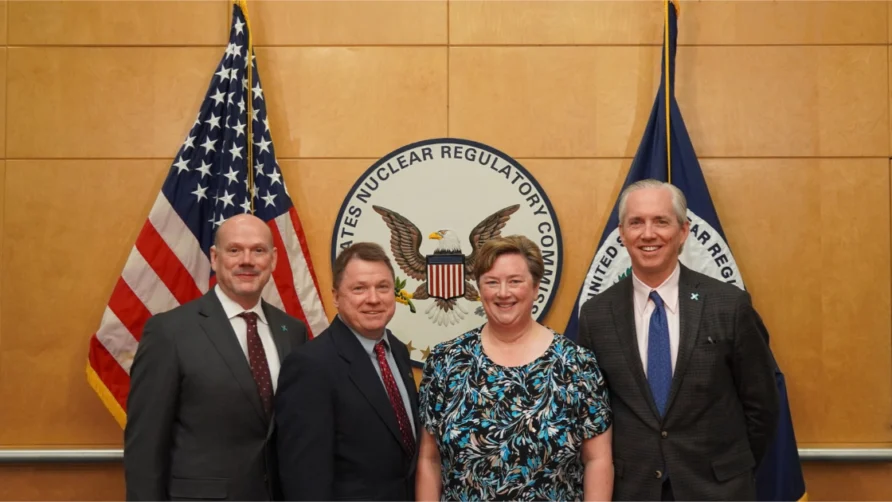
On February 13, 2026, TRISO‑X received our Part 70 license from the Nuclear Regulatory Commission—three months ahead of schedule. It is the first new fuel fabrication license the NRC has issued in over 50 years. It also makes TX-1, once complete, the first Category II nuclear fuel facility in U.S. history.
This is one of the most important milestones that the industry has seen in recent years—a real, structural step forward in our efforts to establish a commercial U.S. source of TRISO fuel. Oddly enough, this is my second time on a first-of-a-kind project. Given the significance of the moment, I thought I might jot some thoughts down.
Lessons from Columbia
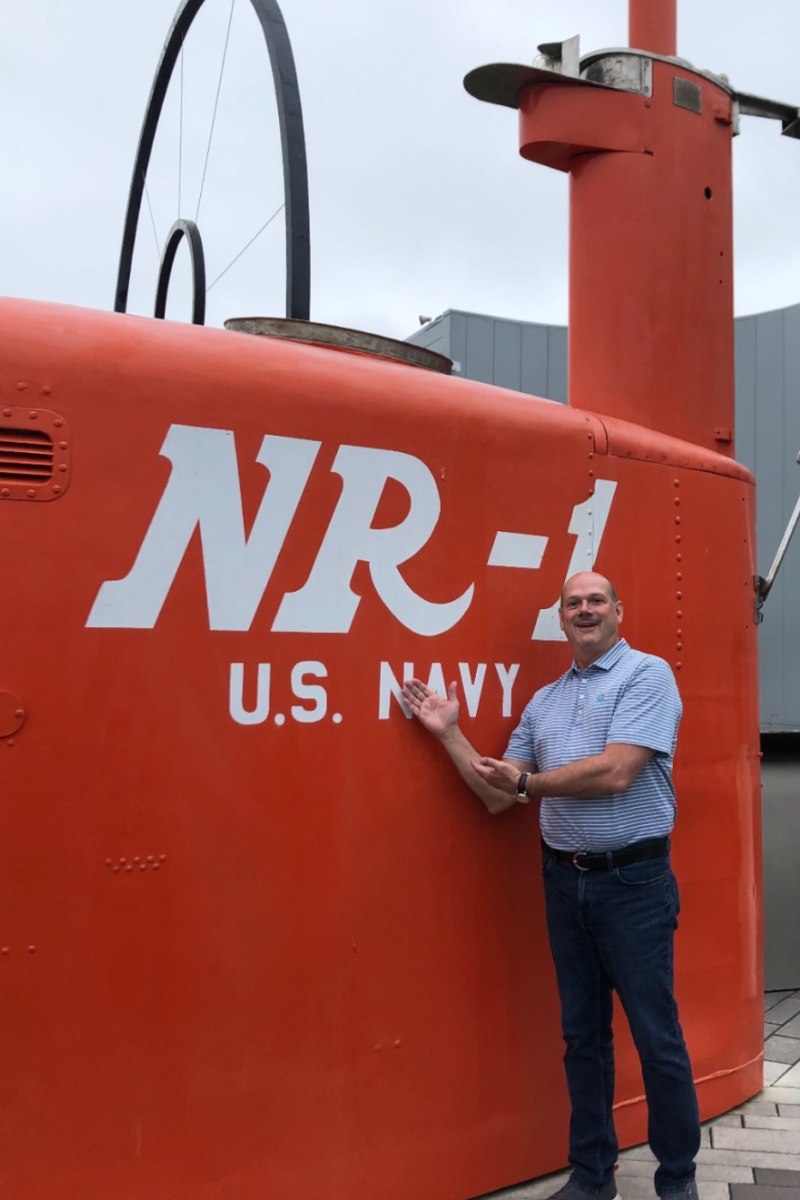
This harkens back to some of my previous experience overseeing manufacturing of the very first core for the new Columbia class submarine. The Columbia class represents the Navy’s top priority—the backbone of America’s strategic nuclear deterrent and the most technologically advanced submarine ever built. It’s groundbreaking work in every sense: completely new design, new systems, new manufacturing approaches for a mission-critical national security program.
TRISO‑X carries that same weight. This is groundbreaking. This is completely new. We may have improved existing manufacturing processes developed under the Advanced Gas Reactor (AGR) program in the early 2000’s, but we’re fundamentally pushing the envelope forward for what we need in this country today and in the future, whether it’s energy security or our ability to provide reliable power around the world.
TRISO fuel will power the advanced reactors that can finally break our dependence on foreign fuel sources and deliver the clean, reliable energy our economy needs. And like the Columbia, it requires the same uncompromising commitment to safety and quality, the same regulatory rigor, the same recognition that failure is not an option. That’s the only way to scale nuclear fuel supply.
Perseverance in the Work
Anytime you’re doing first of a kind, there are things that you can’t anticipate. You can’t just follow a playbook—there isn’t one. That doesn’t mean you’re operating without structure. It means applying established fundamentals to something that has not been executed at this scale before.
First-of-a-kind doesn’t change those fundamentals. The safety standards are not new. The expectations are not lower. If anything, it makes them that much more important. But executing something no one has done before means working through specific design and manufacturing challenges that haven’t been solved yet. You have to be ready for that.
Admiral Rickover understood this when he pioneered naval nuclear propulsion. He had to invent new processes, develop new materials like zircaloy, create entirely new approaches to enable nuclear propulsion. That’s what first-of-a-kind demands.
The same theory applies with TRISO‑X. Part 70 is grounded in decades of nuclear regulatory practice. The safety principles are well understood. What required careful attention were the details—how those principles apply to a different fuel form, a different facility configuration, and a commercial-scale production environment.
It’s perseverance. To work through all of those different things that pop up as you’re doing something that’s first of a kind. Whether you’re building a facility, building a new core, inventing new ways to do it — the same principles apply.
It’s not for the faint of heart at times, but it’s hard not to love the work we are doing.
Knocking Down Hurdles
This process does not happen overnight. There was a lot of interaction and a lot of partnership between a lot of different organizations and stakeholders to make this a reality. It couldn’t have been done without the support of the entire team here at TRISO‑X and at X‑energy.
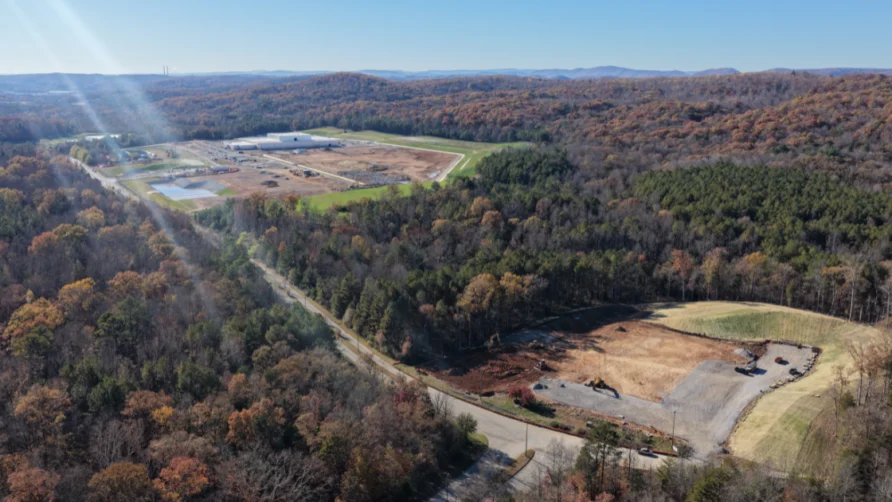
This new nuclear is becoming a reality. We’re building a new facility. It’s well on its way and under construction. We’ve got a license for it now. Many of the hurdles that we have to overcome are in the rear-view mirror and those in front of us are clearly in our sites. We have methodically knocked them down to make this new facility a reality.
Obtaining this Part 70 license was one of those major hurdles. We can build a facility. But if we don’t have a license to hold and process nuclear materials, it’s just a building.
The license itself represents years of disciplined work—developing the application, working through technical reviews, addressing questions, refining our safety basis. Each step had to be executed correctly. There’s no shortcut when you’re establishing the foundation for commercial-scale HALEU fuel manufacturing.
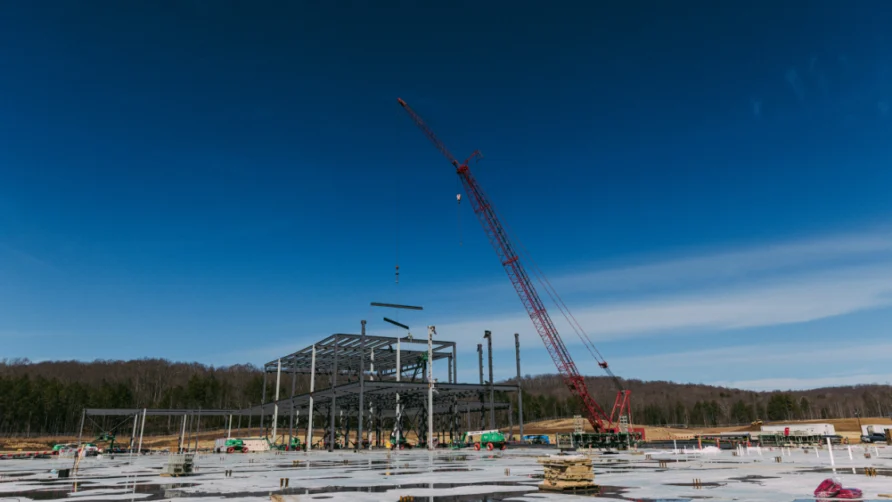
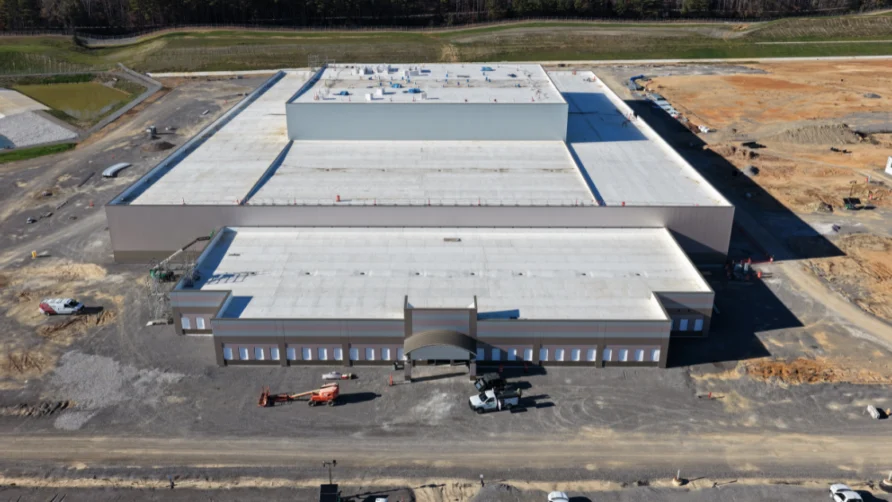
And now that foundation is in place. Construction continues. The equipment is being installed. The procedures are being finalized. Each piece has to come together in the right sequence, at the right quality level, to support safe operations when we bring material into the facility. That’s the nature of this work. It’s methodical. It’s deliberate, but that does not mean it is slow. The team is working with alacrity, and the work is progressing exactly as it needs to. And the work we have done to blaze this trail, will help others as we look to expand new nuclear across the globe.
A Career Across the Nuclear Fuel Cycle
I’ve worked at basically just about every section of the nuclear fuel cycle. From enrichment, reactor testing of new fuel types, fuel manufacturing, post-use fuel examination and reprocessing—I’ve seen it from multiple angles.
That journey took me through some of the most significant nuclear facilities in the country. Portsmouth Gaseous Diffusion Plant for enrichment. Idaho National Laboratory for reactor testing. Nuclear Fuel Services for down blending of highly enriched uranium. Y-12 for uranium production and fabrication. Naval Reactors work at multiple sites in reactor components and fuel manufacturing. Several of these were an NRC Category 1 or DOE high-hazard nuclear facility. Each required the same uncompromising focus on safety, quality and security.
The through-line in all of that work was always first-of-a-kind projects and national security missions. Whether it was managing the only two Category 1 high-hazard nuclear facilities licensed by the NRC in the United States, or leading decommissioning programs, or overseeing nuclear weapons secondary refurbishment—the work was always critical, always complex, always demanding the highest standards.
So, it’s a little easier for me to assimilate into this environment. I understand what commercial-scale HALEU fuel manufacturing means in the context of the broader fuel cycle. I’ve seen what happens upstream. I’ve seen what happens downstream. I understand where the gaps are.
And TRISO‑X addresses one of the most significant gaps: domestic fuel supply for advanced reactors. Having seen the entire cycle provides perspective on just how important closing that gap is—not just for our company, but for the country’s ability to deploy the next generation of nuclear technology.

Nuclear as a Way of Life
In a long career, the most satisfying aspect is this: we are approaching the point where nuclear is not just another renaissance, that nuclear is going to be a way of life. And a needed way of life.
That’s what makes this moment different. I’ve seen cycles in this industry—periods of enthusiasm followed by setbacks, promises that didn’t materialize, projects that stalled. This feels different because the fundamental conditions around us have changed. The demand is real. The technology is at the right level of maturity. The commitment is there.
This is going to be an enduring activity. This is not a flash in the pan.
After I retire at some point in the future and I’m sitting on a beach and they’re talking about the new SMR that went up, I’m going to just be smiling. Because I’ll know that the fuel powering that reactor came from the facility we’re building right now.
That’s the vision—creating something that lasts, that sustains, that enables the next generation of clean, reliable power.
About Joel Duling
Joel Duling served as President of TRISO‑X, X‑energy’s advanced nuclear fuel fabrication and development subsidiary, from 2024 until his retirement on November 20, 2026. He remains with X‑energy as a part-time senior advisor to Chief Executive Officer J. Clay Sell. At TRISO‑X, he led the company’s efforts to commercialize its proprietary TRISO fuel and oversaw construction of TX-1 and the company’s advanced nuclear fuel fabrication campus in Oak Ridge, Tennessee, securing the first U.S. Nuclear Regulatory Commission license to commercially manufacture high-assay low-enriched uranium based TRISO fuel, and overseeing the completion of vertical construction for the first commercial-scale TRISO fuel facility in American history.
Duling brings more than 40 years of leadership experience in nuclear operations, manufacturing, and complex program management. Before TRISO‑X, he served as Associate Laboratory Director for Operational Systems at Pacific Northwest National Laboratory. He spent nearly two decades in leadership roles at BWX Technologies, Inc. (BWXT), including president of its Nuclear Operations Group and president of Nuclear Fuel Services, Inc. in Erwin, Tennessee, and held leadership positions at Idaho National Laboratory and the Y-12 National Security Complex.
He holds a Bachelor of Science in biophysical systems and chemistry from Northern Michigan University, a graduate certificate in applied nuclear energy from Idaho State University, and an MBA from Auburn University.